Showing posts with label fossil fuels pollution. Show all posts

Friday, August 10, 2012

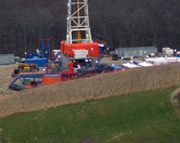
The connection between water pollution and shale gas fracking


Shale gas fracking could lead to increased levels of water pollution in many parts of the world. Shale gas (natural gas trapped within the shale formations) is becoming increasingly popular source of natural gas, not only in United States, but the rest of the world too.

The U.S. scientists at the Stony Brook University have found the link between the shale gas fracking and water pollution by claiming that the disposal of contaminated wastewater that comes from hydraulic fracturing (fracking) wells producing natural gas poses a major risk of excessive water pollution.

They have studied the intensively developed Marcellus Shale region that extends throughout much of the Appalachian Basin and discovered that the disposal of large amounts of fracking well wastewater that will likely be generated in this area presents major water pollution threat because of risks from salts and different radioactive materials such as sodium, chloride, bromide, arsenic, barium, all of which are common compounds in fracking well wastewater.

The scientists further claim that if only 10 percent of the Marcellus Shale region was developed, that could equate to 40,000 wells, and describe this by comparing the volume of contaminated wastewater with "several hours flow of the Hudson River or a few thousand Olympic-sized swimming pools."

The scientists have concluded that regulators and others should consider additional mandatory steps to reduce the potential of drinking water contaminated from shale gas fracking.

This study is not the first of its kind linking shale gas fracking and water pollution. Last year's study concluded that fracking has seriously contaminated shallow groundwater supplies in northeastern Pennsylvania with flammable methane, while in December 2011 U.S. Environmental Protection Agency( EPA) issued a draft finding which stated that the groundwater contamination in Pavilion, Wyoming may be the result of fracking in the area.

The shale gas development is a big thing these days and many industrial lobbyists have been describing fracking as a green alternative to renewable energy. Judging by the current looks of it the environmental impacts of shale gas fracking are not harmless as previously thought and require adequate management, with special emphasis on lowering the potential risk for contaminated fracking wastewater release.

Water is a precious resource, and the last thing this world needs right now is more contaminated water. Shale gas is currently extremely profitable business but  further development should also include solutions for potential environmental and health risks shale gas fracking may be connected with.

Friday, August 12, 2011

Gas fracking - A new source of environmental pollution

Gas fracking refers to hydraulic fracturing in order to extract otherwise inaccessible shale gas. Gas fracking is currently very popular method of extraction in United States despite the very serious environmental concerns. Why exactly is gas fracking so harmful to environment?

First of all fracking fluid absorbs radioactive and toxic elements and chemicals such as arsenic out of the rock. Some of the leeched chemicals are known carcinogens.

Gas fracking can also lead to massive water pollution by poisoning water supplies. Of course, there is also a negative impact on climate change because shale gas is the form of natural gas, and natural gas is fossil fuel. Air pollution is also one of the negative consequences.

In order to frack gas millions of gallons of chemically treated water and sand are forced underground to break up rock and allow gas to flow and this is anything but a environmentally sound technology. So far there have been a number of failures and accidents that resulted in tainting drinking water.

Still, even despite these accidents and obvious environmental threat gas fracking is more popular than ever before. Shale gas already accounts for around 30% of total US natural gas production because many companies are lured by lower drilling costs, even in some areas which are not typically associated with gas production.

If shale gas continues to rise in popularity this will lead to even bigger climate change impact as more shale gas will not only mean more carbon emissions but also a slower introduction of renewable energy sources such as solar and wind.

World needs to come up very quickly with the effective environmental action against gas fracking. Failure to do so could lead to a series of massive environmental problems in years to come.

Thursday, January 27, 2011

Pollution from fossil fuels facts

Here are some quick facts about the pollution coming from fossil fuels.

Fossil fuels (coal, oil and natural gas) when burn create carbon dioxide (CO2) emissions that contribute to global warming, and also some air pollutants like nitrogen oxides, sulfur dioxide, volatile organic compounds, etc.

Fossil fuel burning is also responsible for the formation of acid rains, and acid rains are one of the most vicious contributers to environmental pollution, mostly in form of water pollution (acid rains increase the acidity of rivers, lakes and other water bodies).

The fossil fuel that mostly pollutes our planet is coal. Coal, when burned creates large amounts of coal ash. Coal ash is known to have extremely negative impact on air and water pollution.

Fossil fuels also contain some radioactive elements like uranium and thorium so they can also contribute to increased levels of radioactive pollution. These radioactive levels are not to be ignored because one study showed that during 1982, US coal power plants released 155 times as much radioactivity into the atmosphere as the infamous Three Mile Island incident.

Fossil fuels can also indirectly contribute to increased levels of pollution. For instance offshore oil drilling can cause big ocean pollution which can cause serious problems for many marine ecosystems.

Oil tanker accidents can also cause huge levels of pollution in form of oil spills like for instance the infamous Exxon Valdez oil spill. You all probably still remember what kind of environmental damage did Gulf of Mexico oil spill done to nearby marine environment.

Many countries in the world still lack the adequate laws that would limit the levels of pollution connected with fossil fuel burning. This is one of the reasons why world still fails to agree on new international climate deal.

Many environmentalists believe that the best way to force fossil fuel industry to reduce the levels of pollution would be in form of heavy taxes. Some energy experts fear that this would significantly increase average energy bill because renewable energy is still not ready to replace fossil fuels on global level.

Moving away from fossil fuels would no doubt significantly decrease the environmental pollution on our planet, but fossil fuels are sadly expected to remain dominant energy sources for at least next couple of decades.